
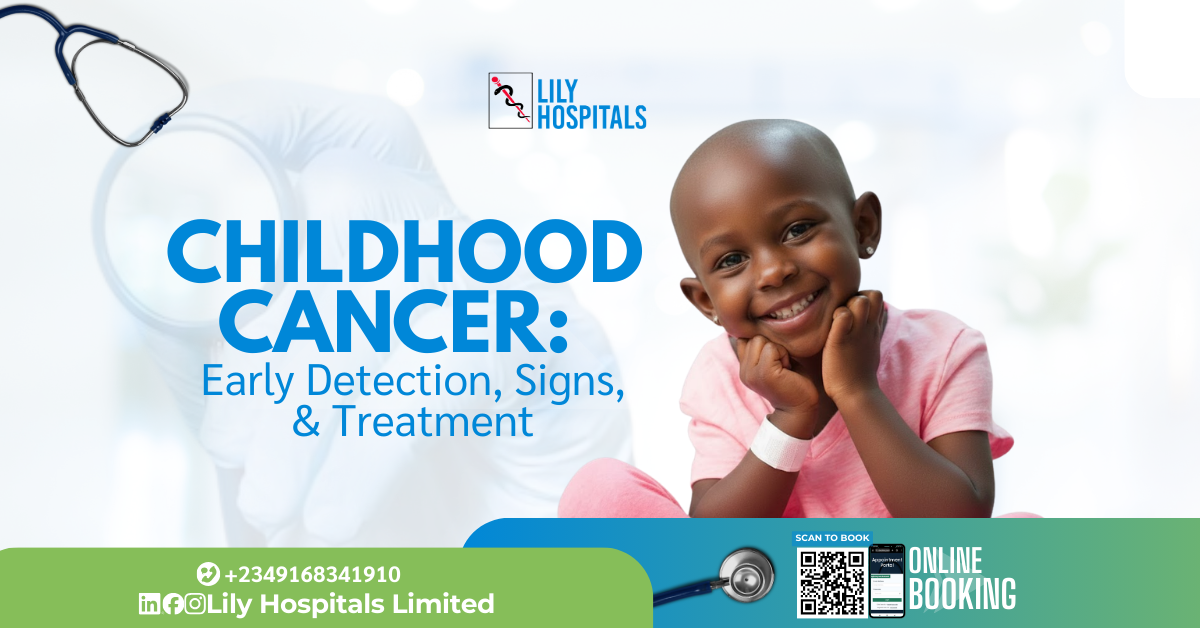
Childhood cancer is a life-altering diagnosis that affects not only the child but the entire family. While cancer in children is relatively rare compared to adults, it remains one of the leading causes of disease-related death among children worldwide. The good news is that advances in early detection, treatment, and supportive care have significantly improved survival rates, especially when diagnosis occurs early and treatment begins promptly.
At Lily Hospitals, we are committed to raising awareness, promoting early detection, and providing compassionate, specialized care for children and families facing childhood cancer. This comprehensive guide will help parents and caregivers understand the warning signs, types, causes, treatment options, and ways to support a child through the journey.
What Is Childhood Cancer?
Childhood cancer refers to cancers that occur in children from birth through adolescence (0–18 years). Unlike adult cancers, which are often linked to lifestyle or environmental factors, childhood cancers usually develop due to genetic mutations in growing cells. These changes happen suddenly and are rarely preventable.
Childhood cancers tend to grow quickly but often respond better to treatment than adult cancers. With proper care, many children can achieve remission and go on to live healthy lives.
Common Types of Childhood Cancer
Several types of cancer commonly affect children. The most frequently diagnosed include:
1. Leukemia
Leukemia is the most common childhood cancer, affecting the blood and bone marrow. It interferes with the body’s ability to produce healthy blood cells.
Symptoms may include:
- Frequent infections
- Fatigue and weakness
- Pale skin
- Easy bruising or bleeding
- Bone and joint pain
2. Brain and Spinal Cord Tumors
These are the second most common childhood cancers. They can affect thinking, movement, balance, and hormonal control.
Possible symptoms:
- Persistent headaches
- Vomiting (especially in the morning)
- Vision problems
- Balance difficulties
- Seizures
3. Lymphomas
Lymphomas affect the lymphatic system, which helps fight infections.
Common signs:
- Swollen lymph nodes (neck, armpits, groin)
- Fever
- Night sweats
- Weight loss
- Fatigue
4. Neuroblastoma
This cancer develops in immature nerve cells and mostly affects infants and young children.
Symptoms may include:
- Lump in the abdomen
- Bone pain
- Fever
- Weight loss
5. Wilms Tumor
A type of kidney cancer mostly affecting children under age 5.
Warning signs:
- Swelling or lump in the abdomen
- Abdominal pain
- Fever
- Blood in urine
6. Bone Cancers (Osteosarcoma & Ewing Sarcoma)
These cancers affect bones, often during growth spurts in teenagers.
Symptoms include:
- Persistent bone pain
- Swelling near joints
- Limping
- Fractures without major injury
Causes and Risk Factors
In most cases, the exact cause of childhood cancer is unknown. However, certain factors may increase risk:
- Genetic conditions (such as Down syndrome)
- Family history of cancer
- Exposure to radiation
- Weak immune system
Importantly, childhood cancers are not caused by diet, lifestyle, or parenting choices, so parents should never blame themselves.
Early Warning Signs Parents Should Not Ignore
Early detection saves lives. Parents should consult our pediatricians if a child shows persistent or unusual symptoms such as:
- Unexplained weight loss
- Frequent headaches or vomiting
- Persistent fever
- Unusual swelling or lumps
- Excessive bruising or bleeding
- Constant fatigue
- Sudden vision changes
- Persistent bone pain
If something feels wrong, trust your instincts and seek medical attention promptly.
How Childhood Cancer Is Diagnosed
Diagnosis typically involves several tests, including:
- Physical examination
- Blood tests
- Imaging scans (X-ray, CT scan, MRI)
- Bone marrow test
- Biopsy
At Lily Hospitals, we use advanced diagnostic tools and pediatric specialists to ensure accurate and timely diagnosis.
Treatment Options
Treatment depends on the type of cancer, stage, and the child’s overall health. Common treatments include:
Chemotherapy
Uses powerful drugs to destroy cancer cells. It is one of the most common treatments for childhood cancers.
Surgery
Removes tumors when possible.
Radiation Therapy
Uses high-energy rays to target cancer cells.
Immunotherapy
Boosts the body’s immune system to fight cancer.
Stem Cell Transplant
Replaces damaged bone marrow with healthy cells.
Many children receive a combination of treatments for the best outcome.
Side Effects of Treatment
Cancer treatment can affect healthy cells too, leading to side effects such as:
- Hair loss
- Nausea and vomiting
- Fatigue
- Increased infection risk
- Appetite changes
Our pediatric oncology team focuses on minimizing discomfort and supporting children through every stage.
Survival Rates and Hope
Thanks to medical advancements, survival rates for childhood cancers have improved dramatically. Many cancers now have survival rates exceeding 80% when detected early.
Hope, early action, and specialized care make a significant difference.
Emotional Impact on Families
A childhood cancer diagnosis affects the entire family emotionally, financially, and psychologically.
Parents may experience:
- Fear and anxiety
- Guilt
- Stress
- Financial strain
Siblings may feel confused or neglected.
Support systems — including counseling, support groups, and compassionate healthcare teams — are essential.
How Parents Can Support a Child with Cancer
1. Be Honest and Age-Appropriate
Explain the illness in a way your child can understand.
2. Maintain Routine
Keeping normal activities helps children feel secure.
3. Encourage Expression
Allow your child to express fears and emotions.
4. Work with the Care Team
Ask questions and stay informed.
5. Take Care of Yourself
Parents need support too. Self-care is not selfish.
Preventing Infections During Treatment
Children undergoing treatment have weaker immune systems. Protective steps include:
- Frequent handwashing
- Avoiding crowded places
- Ensuring vaccinations are up to date (consult doctor)
- Safe food preparation
Life After Treatment
Many childhood cancer survivors live full, productive lives. Follow-up care is essential to monitor:
- Growth and development
- Learning abilities
- Possible late effects of treatment
Survivorship programs help children transition back to normal life.
When to Seek Immediate Medical Attention
Call your doctor immediately if a child with cancer experiences:
- High fever
- Difficulty breathing
- Severe pain
- Uncontrolled vomiting
- Sudden weakness
Early intervention can prevent complications.
Why Awareness Matters
In many developing countries, late diagnosis remains a major challenge. Awareness helps parents recognize symptoms early and seek prompt care.
Communities, schools, religious institutions, and healthcare providers all play a role in spreading knowledge.
Lily Hospitals’ Commitment to Childhood Cancer Care
At Lily Hospitals, we provide:
- Expert pediatric specialists
- Advanced diagnostic services
- Comprehensive treatment plans
- Emotional and psychological support
- Family-centered care
Our goal is not just to treat cancer but to care for the whole child and family.
Final Thoughts
Childhood cancer is a difficult journey, but it is not a hopeless one. Early detection, access to quality healthcare, and strong emotional support greatly improve outcomes. Parents should remain vigilant, trust their instincts, and seek medical care when symptoms persist.
No child should fight cancer alone. With the right care, love, and support, many children overcome cancer and go on to live bright, fulfilling futures.
If you notice unusual symptoms in your child or need expert guidance, Lily Hospitals is here to help every step of the way.