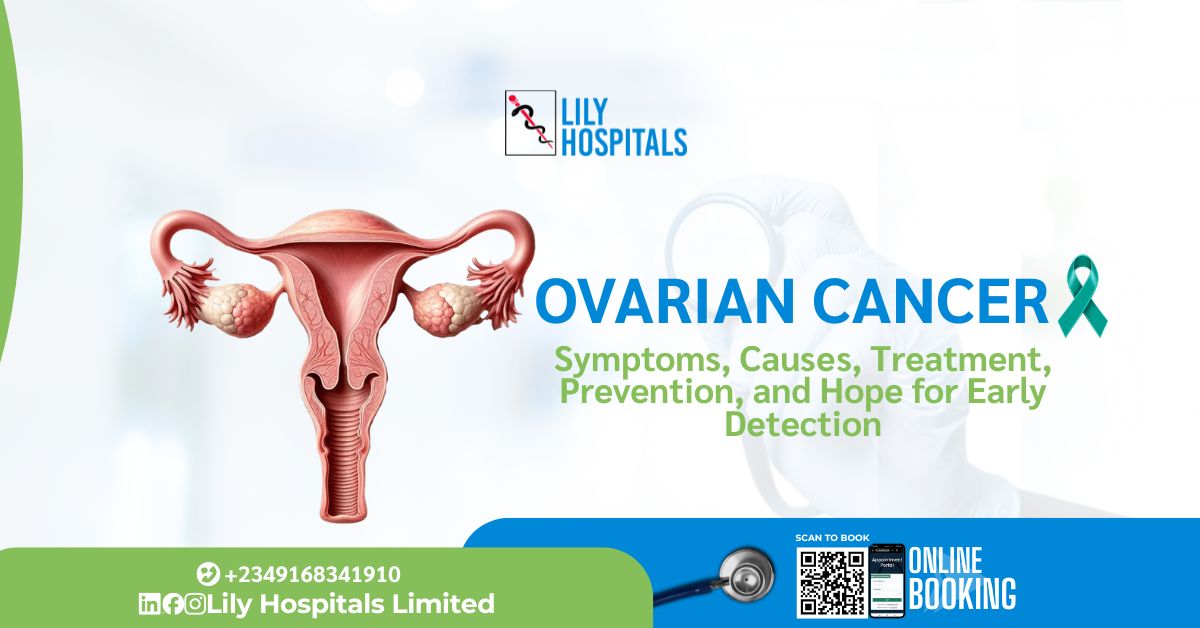
Ovarian cancer is one of the most serious health conditions affecting women worldwide. At Lily Hospitals, we are committed to raising awareness about ovarian cancer, promoting early detection, and providing compassionate, expert-led care for women at every stage of their health journey. Often called the “silent disease,” ovarian cancer can develop quietly with symptoms that are easy to overlook or mistake for common digestive or hormonal issues. Because of this, many cases are diagnosed at a later stage, making awareness and education incredibly important.
This comprehensive guide explains everything you need to know about ovarian cancer, including symptoms, causes, risk factors, diagnosis, treatment options, prevention strategies, and survival rates. Whether you are researching for yourself, a loved one, or educational purposes, understanding ovarian cancer can help encourage earlier detection and better outcomes.
What Is Ovarian Cancer?
Ovarian cancer occurs when abnormal cells in the ovaries begin to grow uncontrollably and form tumors. The ovaries are two small organs located on either side of the uterus in the female reproductive system. They are responsible for producing eggs and hormones such as estrogen and progesterone.
Ovarian cancer can start in the ovaries, fallopian tubes, or surrounding tissues. In many cases, the disease spreads before it is discovered because symptoms may appear mild or nonspecific during the early stages.
Main Types of Ovarian Cancer
There are several types of ovarian cancer, but the most common include:
1. Epithelial Ovarian Cancer
This is the most common type, accounting for about 90% of ovarian cancer cases. It begins in the outer lining of the ovary.
2. Germ Cell Tumors
These cancers begin in the egg-producing cells of the ovaries and are more common in younger women.
3. Stromal Tumors
These develop in the ovarian tissue that produces hormones. Stromal tumors are relatively rare and are often diagnosed earlier.
Understanding the type of ovarian cancer is important because it affects treatment choices and survival outcomes.
Ovarian Cancer Symptoms
One of the biggest challenges with ovarian cancer is that symptoms are often subtle and can resemble common conditions such as bloating, indigestion, or menstrual discomfort.
Common Symptoms of Ovarian Cancer
Women with ovarian cancer may experience:
- Persistent abdominal bloating
- Pelvic or abdominal pain
- Feeling full quickly while eating
- Frequent urination
- Unexplained weight loss
- Fatigue or low energy
- Back pain
- Changes in bowel habits such as constipation
- Irregular vaginal bleeding
- Swelling in the abdomen
These symptoms may seem minor at first, but when they occur frequently and persist for several weeks, medical attention is essential.
Early Signs of Ovarian Cancer
Early-stage ovarian cancer may not produce obvious symptoms. However, warning signs can include:
- Constant bloating
- Loss of appetite
- Pain during intercourse
- Increased need to urinate
- Persistent pelvic discomfort
Many women ignore these symptoms because they are similar to digestive or hormonal problems. Paying attention to changes in the body can lead to earlier diagnosis.
Causes of Ovarian Cancer
The exact cause of ovarian cancer is still unknown. However, researchers have identified several factors that increase the likelihood of developing the disease.
Cancer develops when genetic mutations cause cells to grow abnormally and avoid the body’s normal control mechanisms.
Risk Factors for Ovarian Cancer
Several factors may increase ovarian cancer risk:
Age
Ovarian cancer is more common in women over the age of 50, especially after menopause.
Family History
Women with close relatives who had ovarian or breast cancer may have a higher risk.
BRCA1 and BRCA2 Gene Mutations
Inherited mutations in BRCA genes significantly increase the risk of ovarian and breast cancers.
Endometriosis
Women with endometriosis may have a greater chance of developing ovarian cancer.
Obesity
Excess body weight has been linked to several cancers, including ovarian cancer.
Hormone Replacement Therapy
Long-term use of hormone therapy after menopause may slightly increase risk.
Never Being Pregnant
Women who have never carried a pregnancy may face a higher risk compared to those who have had children.
Can Younger Women Get Ovarian Cancer?
Yes. Although ovarian cancer is more common in older women, younger women can also develop the disease, particularly germ cell tumors.
Stages of Ovarian Cancer
Doctors use staging to determine how far ovarian cancer has spread.
Stage 1
Cancer is limited to one or both ovaries.
Stage 2
Cancer has spread to nearby pelvic organs.
Stage 3
Cancer has spread outside the pelvis to the abdomen or lymph nodes.
Stage 4
Cancer has spread to distant organs such as the liver or lungs.
The stage at diagnosis plays a major role in treatment success and survival rates.
How Ovarian Cancer Is Diagnosed
Diagnosing ovarian cancer usually involves several tests and medical evaluations.
Pelvic Examination
Our specialists may feel for abnormalities or swelling in the ovaries.
Imaging Tests
Ultrasound, CT scans, MRI scans, or PET scans can help identify tumors or abnormal growths.
Blood Tests
A CA-125 blood test measures a protein that may be elevated in ovarian cancer patients.
Biopsy
A tissue sample is examined under a microscope to confirm cancer.
Genetic Testing
Genetic screening can identify BRCA mutations or inherited cancer syndromes.
Why Early Detection Matters at Lily Hospitals
When ovarian cancer is diagnosed early, treatment is often more successful. Unfortunately, many women are diagnosed in advanced stages because symptoms are vague.
At Lily Hospitals, we encourage women not to ignore persistent symptoms. Early medical evaluation and timely diagnosis can significantly improve treatment outcomes and survival rates.
Ovarian Cancer Treatment Options
Treatment depends on several factors, including the cancer type, stage, overall health, and patient preferences.
1. Surgery
Surgery is usually the first treatment for ovarian cancer.
Procedures may involve:
- Removing one or both ovaries
- Removing the uterus (hysterectomy)
- Removing nearby tissues affected by cancer
- Lymph node removal
The goal is to remove as much cancer as possible.
2. Chemotherapy
Chemotherapy uses powerful drugs to kill cancer cells.
It may be given:
- Before surgery to shrink tumors
- After surgery to destroy remaining cancer cells
- For recurrent ovarian cancer
Common side effects include hair loss, nausea, fatigue, and weakened immunity.
3. Targeted Therapy
Targeted therapy attacks specific cancer cell mechanisms while minimizing damage to healthy cells.
PARP inhibitors are commonly used in women with BRCA mutations.
4. Hormone Therapy
Some ovarian cancers respond to hormone-blocking treatments.
5. Immunotherapy
Researchers are exploring immunotherapy to help the immune system recognize and attack cancer cells.
Advanced Cancer Care at Lily Hospitals
At Lily Hospitals, patients benefit from modern diagnostic tools, evidence-based treatment approaches, and compassionate multidisciplinary care. Medical advances continue to improve ovarian cancer care, with innovative therapies and personalized treatment plans offering new hope to patients and families.
Ovarian Cancer Survival Rates
Survival rates depend on the stage at diagnosis and how well the cancer responds to treatment.
Five-Year Survival Rate
The overall five-year survival rate for ovarian cancer is approximately 50%.
However, outcomes vary significantly:
- Early-stage ovarian cancer has a much higher survival rate
- Advanced-stage ovarian cancer is more difficult to treat
- Younger and healthier patients may respond better to treatment
Hope and Support for Patients
Modern treatments, improved surgical techniques, targeted therapies, and earlier diagnosis are helping more women live longer and healthier lives. Lily Hospitals remains dedicated to supporting women through every phase of diagnosis, treatment, recovery, and survivorship.
Many survivors continue to lead active and fulfilling lives after treatment.
Can Ovarian Cancer Be Prevented?
There is no guaranteed way to prevent ovarian cancer, but some strategies may reduce risk.
Prevention Tips
Maintain a Healthy Weight
A balanced diet and regular exercise may lower cancer risk.
Know Your Family History
Women with strong family histories of cancer should discuss genetic counseling with healthcare providers.
Consider Genetic Testing
BRCA testing can help identify inherited risks.
Oral Contraceptives
Long-term use of birth control pills has been associated with reduced ovarian cancer risk.
Pregnancy and Breastfeeding
Research suggests these factors may slightly reduce risk.
Avoid Smoking
Smoking increases the risk of several cancers and harms overall health.
Living With Ovarian Cancer
An ovarian cancer diagnosis can be emotionally and physically overwhelming. Patients often experience anxiety, fear, stress, and uncertainty.
Compassionate Support at Lily Hospitals
At Lily Hospitals, we understand that emotional support is just as important as medical treatment. Strong support systems play a vital role during treatment and recovery.
Helpful resources include:
- Family and friends
- Cancer support groups
- Mental health counseling
- Oncology social workers
- Online survivor communities
Nutrition and Lifestyle During Treatment
Eating nutritious foods, staying hydrated, and maintaining gentle physical activity can help support overall well-being.
Patients should work closely with healthcare teams to manage treatment side effects.
Follow-Up Care
After treatment, regular checkups are necessary to monitor for recurrence.
Follow-up care may include:
- Physical exams
- Blood tests
- Imaging scans
- Symptom monitoring
Early detection of recurrence can improve treatment outcomes.
Myths About Ovarian Cancer
Myth 1: Ovarian Cancer Always Causes Severe Symptoms
Fact: Symptoms are often mild and easy to dismiss.
Myth 2: Only Older Women Get Ovarian Cancer
Fact: Younger women can also develop ovarian cancer.
Myth 3: A Pap Smear Detects Ovarian Cancer
Fact: Pap smears screen for cervical cancer, not ovarian cancer.
Myth 4: Ovarian Cancer Is Always Fatal
Fact: Many women survive ovarian cancer, especially when diagnosed early.
Myth 5: Family History Is the Only Risk Factor
Fact: Women without a family history can still develop ovarian cancer.
Ovarian Cancer Awareness and Advocacy
Raising awareness about ovarian cancer symptoms and risk factors can save lives.
Organizations around the world continue to support:
- Research funding
- Early detection initiatives
- Patient education
- Survivor advocacy
- Access to better treatments
September is recognized globally as Ovarian Cancer Awareness Month, encouraging women to learn the signs and prioritize regular medical care.
Frequently Asked Questions About Ovarian Cancer
What Is the First Sign of Ovarian Cancer?
Persistent bloating, pelvic pain, and feeling full quickly are among the most common early signs.
Is Ovarian Cancer Curable?
Early-stage ovarian cancer can often be treated successfully. Outcomes depend on the stage and treatment response.
Does Ovarian Cancer Spread Quickly?
Some forms of ovarian cancer can spread rapidly, especially if not detected early.
Can Men Get Ovarian Cancer?
Men do not have ovaries, but rare cancers with similar cellular origins can occur in related tissues.
Is Ovarian Cancer Genetic?
Some cases are linked to inherited gene mutations such as BRCA1 and BRCA2.
Final Thoughts from Lily Hospitals
Ovarian cancer remains a major health concern for women worldwide, but growing awareness, better treatments, and ongoing research are improving outcomes every year.
Understanding the symptoms, risk factors, and treatment options can empower women to seek medical attention sooner and advocate for their health.
The most important message is this: persistent symptoms should never be ignored. Early diagnosis can make a life-changing difference.
If you or someone you know experiences ongoing bloating, pelvic pain, changes in appetite, or unusual urinary symptoms, consult a healthcare professional promptly.
At Lily Hospitals, we believe that knowledge, awareness, and proactive healthcare remain powerful tools in the fight against ovarian cancer. Our goal is to help women access trusted information, quality medical care, and compassionate support whenever they need it.